
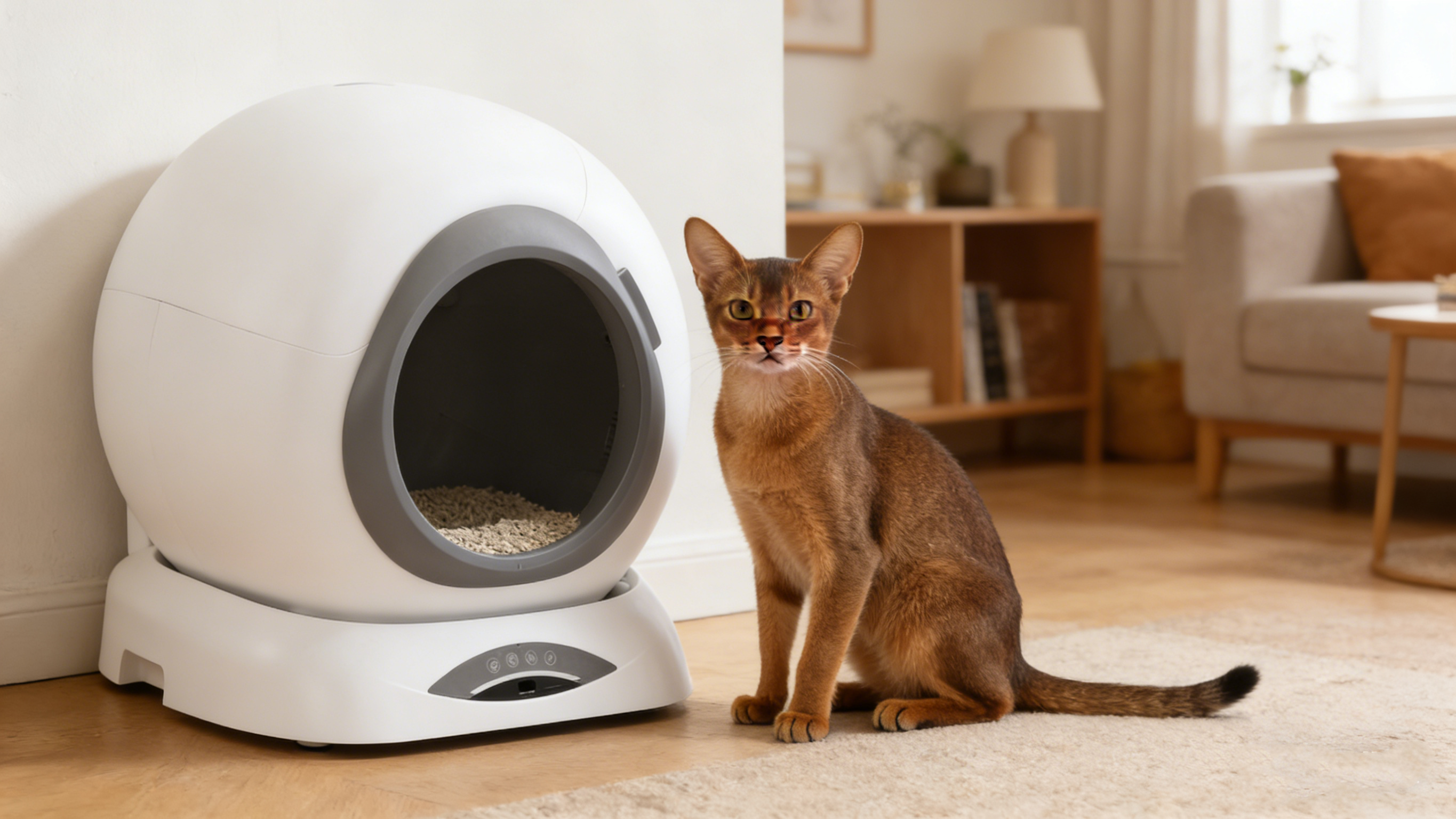
For cat owners, the daily chore of litter box maintenance has long been an unavoidable (and often dreaded) part of pet parenthood. But 2026 is marking a pivotal shift in feline care: self-cleaning litter boxes and auto litter boxes are no longer niche gadgets—they’re becoming essential tools for keeping homes fresh, cats happy, and owners free from endless scooping.
What’s the Difference Between Self-Cleaning vs. Auto Litter Boxes?
While often used interchangeably, these two categories offer distinct (but complementary) benefits:
- Self-Cleaning Litter Boxes: Typically feature a sifting mechanism that separates waste from clean litter, depositing clumps or waste into a sealed compartment. Most require manual emptying of the waste bin (1–2 times weekly, depending on cat size), but eliminate daily scooping.
- Auto Litter Boxes: Take convenience a step further with automated waste disposal—some connect to home plumbing to flush waste away, while others use self-sealing bags or compartments that require minimal user intervention (empty every 1–4 weeks).
Why Cat Parents Are Ditching Traditional Boxes
The rise of these smart devices isn’t just about convenience—it’s about cat health and home hygiene:
1. Reduced Litter Box Anxiety for Cats
Cats are notoriously clean creatures, and dirty litter boxes can trigger stress, inappropriate elimination (e.g., peeing outside the box), or even health issues like urinary tract infections (UTIs). A 2025 study by the American Association of Feline Practitioners (AAFP) found that 68% of cats show improved litter box habits when boxes are cleaned more frequently—exactly what self-cleaning models deliver.
2. Freshness Without the Hassle
Traditional boxes can trap odors for hours (or days) if not scooped immediately. Self-cleaning models use sealed waste compartments and often include carbon filters to neutralize smells, keeping homes odor-free even with multiple cats.
3. Time Savings for Busy Owners
Average cat owners spend 10–15 minutes daily scooping litter—adding up to 60+ hours a year. Auto litter boxes cut that down to just a few minutes weekly, freeing up time for play, cuddles, or other responsibilities.
How Do These Smart Boxes Work? A Deep Dive
Let’s break down the technology powering the latest models:
Self-Cleaning Litter Box Basics
- Waste Detection: Most use motion sensors or weight sensors to detect when a cat has used the box (and wait 10–15 minutes to avoid startling the cat).
- Sifting & Separation: A rotating sieve or rake moves through the litter, separating clumps from clean litter. Clumps are then pushed into a sealed waste drawer.
- Odor Control: Built-in carbon filters in the waste drawer trap odors, while some models use UV light to kill bacteria.
Auto Litter Box Advanced Features
Higher-end auto models add game-changing capabilities:
- Plumbing Integration: Connect to home toilets to flush waste directly into the sewer system (no waste bins to empty).
- Smart App Connectivity: Track litter usage, waste volume, and even alert owners when the waste bin is full or litter levels are low. Some apps also monitor your cat’s bathroom habits—critical for detecting early health issues (e.g., changes in frequency or litter box avoidance).
- Anti-Pinch Sensors: Stop cleaning cycles immediately if a cat (or curious toddler) enters the box, ensuring safety.
Top Tips for Choosing the Right Model
Not all self-cleaning or auto litter boxes are created equal. Here’s what to look for:
1. Cat Size & Number
Ensure the box is large enough for your cat(s) to move comfortably. Most models work for 1–2 cats, but some are designed for multi-cat households (3+ cats). Look for a weight capacity of at least 15 lbs (ideal for larger breeds like Maine Coons).
2. Litter Compatibility
Not all litters work with self-cleaning models! Avoid clumping litters with large granules or scented litters (which can irritate cats). Most models recommend fine-grain clumping litter or crystal litter (which is dust-free and odor-absorbent).
3. Maintenance Requirements
While these boxes reduce work, they still need regular upkeep:
- Empty waste bins every 1–7 days (depending on model and number of cats).
- Replace carbon filters every 1–3 months.
- Deep clean the box (including the sieve/rake) every 1–2 months to prevent bacteria buildup.
Real Owner Stories: Life-Changing Results
We spoke to three cat parents who switched to self-cleaning boxes—here’s what they had to say:
Mia, 32, New York City (2 cats: Luna, 3, and Milo, 5)
“I used to hate scooping litter—especially in my tiny apartment. Since switching to a self-cleaning box, my place smells way better, and my cats don’t avoid the box anymore. I only empty the waste drawer once a week, which is a game-changer for my busy schedule.”
Dr. Raj Patel, 45, Chicago (1 cat: Simba, 7)
“As a vet, I see so many cats with UTIs from dirty litter boxes. Simba had a UTI last year, so I invested in an auto litter box with app tracking. Now I get alerts if he uses the box less than usual—helping me catch issues early. It’s not just convenient; it’s life-saving.”
Lisa, 28, Austin (1 cat: Tigger, 2)
“I’m a freelance writer, so I work from home. The old litter box smelled up my office, but the self-cleaning model with a carbon filter keeps the air fresh. Tigger loves it too—he used to wait until the box was clean before using it, but now he doesn’t have to!”
The Future of Litter Boxes: What’s Next?
Industry experts predict even more innovations in the coming years:
- AI-Powered Health Monitoring: Boxes that analyze waste to detect early signs of kidney disease, diabetes, or other feline health issues.
- Eco-Friendly Models: Boxes that use compostable waste bags or recycled litter materials to reduce environmental impact.
- Portable Self-Cleaning Boxes: For cat owners who travel with their pets or live in tiny homes.
Final Thoughts: Is a Self-Cleaning or Auto Litter Box Worth It?
For most cat parents, the answer is a resounding yes. These devices don’t just eliminate a chore—they improve cat health, reduce home odors, and give owners more time to enjoy their feline friends. Whether you opt for a budget-friendly self-cleaning model or a high-tech auto box with smart features, the investment pays off in happier cats and less stress for you.
Ready to make the switch? Start by measuring your cat’s size, checking litter compatibility, and reading reviews from other owners. Your cat (and your nose) will thank you.


 Address: Changjiang Road, Hefei, Anhui, ChinaMobile phone: +86-18656969079Email: Email: sales01@winopet.com
Winpoint was founded in December 2019 by a group of passionate pet lovers who believe in the power of technology to revolutionize pet health management. Our mission is to create a global leading platform for pet health through the development and sale of innovative smart pet products, helping pet owners better understand and care for their furry companions.
Copyright © 2026 安徽省服装进出口股份有限公司 Ltd. All Rights Reserved. POWERED BY WEIMOBTRADE
