
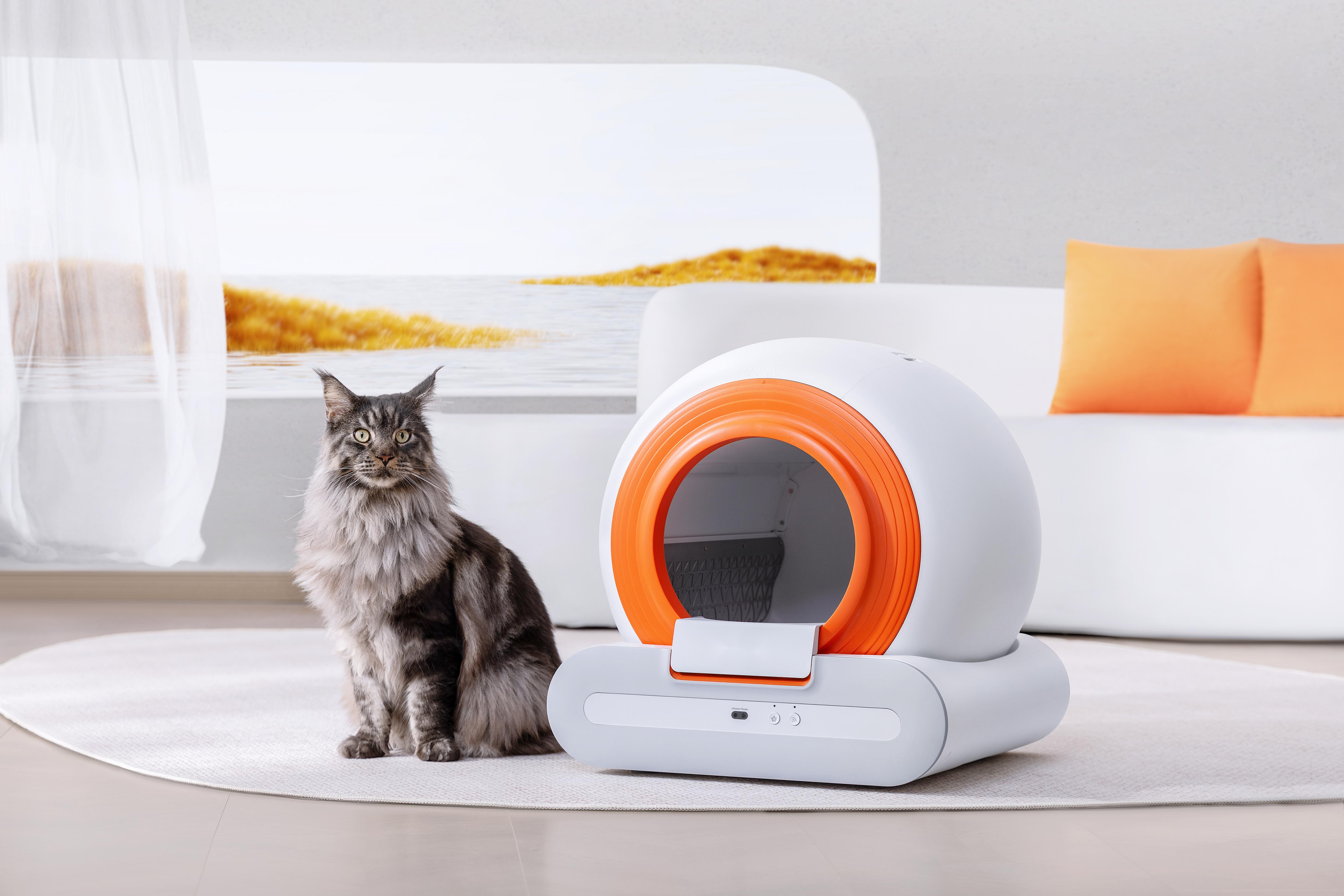
1. Litter Box Not Cleaning Automatically
Problem:
One of the most common issues with a self-cleaning cat litter box is that it fails to clean itself. This may result from various causes such as a faulty motor, a blocked rake, or a full waste compartment.
Solution:
Check the power source: Ensure the litter box is properly plugged in and receiving power. If using a rechargeable model, verify that the battery needs charging.
Inspect the rake mechanism: The cleaning rake may become jammed due to clumped litter or debris. Remove any obstructions and clean the rake thoroughly.
Examine the sensors: Many self-cleaning litter boxes use motion sensors to trigger the cleaning cycle. If these sensors are blocked or dirty, the system may not activate. Wipe them gently with a dry, clean cloth.
2. Litter Box Is Too Noisy
Problem:
Another frequent issue is excessive noise during the cleaning cycle. A loud motor or noisy rake can disturb both your cat and you.
Solution:
Lubricate the motor: Noise caused by friction in the motor can be reduced by applying a pet-safe lubricant to moving parts.
Check for misalignment: Misaligned components such as the motor or rake can produce unusual sounds. Confirm all parts are correctly aligned and operate smoothly.
Relocate the litter box: If noise persists, place the box in a quieter area of your home to minimize disturbance.
3. Cat Refusing to Use the Litter Box
Problem:
Despite advanced features, some cats may avoid using a self-cleaning litter box. This could stem from factors like perceived uncleanliness, scent, or the automatic cleaning function itself.
Solution:
Ensure regular manual cleaning: Even with self-cleaning functions, periodic hand-cleaning helps maintain hygiene and comfort. Some cats are sensitive to certain litter types.
Assess litter quality: Choose a high-quality, cat-friendly self-cleaning litter. Cats can be particular about texture and scent.
Temporarily disable automatic cleaning: If your cat is startled by the noise or movement, turn off the auto-clean function temporarily and reintroduce it gradually.
4. Litter Gets Clogged in the Rake Mechanism
Problem:
Wet or clumped litter often clogs the rake mechanism, preventing proper cleaning.
Solution:
Use appropriate litter: Clumping litters tend to clog rakes more easily. Opt for a non-clumping or low-clumping self-cleaning litter less likely to block the mechanism.
Perform routine maintenance: Clean the rake regularly to prevent buildup. Clear debris after each use to ensure smooth operation.
5. Litter Box Doesn’t Fit in the Designated Space
Problem:
After purchasing a self-cleaning litter box, you may find it doesn’t fit in the intended space—a frustrating and common issue.
Solution:
Measure the space beforehand: Always measure the installation area before buying a litter box. Sizes vary significantly among models—choose one that fits your space.
Explore alternative placements: If space is limited, consider relocating the box or selecting a compact, space-saving design.
Conclusion: Maintaining Your Self-Cleaning Cat Litter Box
A self-cleaning cat litter box is an invaluable asset for any cat owner, offering cleanliness, convenience, and significant time savings on litter maintenance. By addressing common problems through the troubleshooting steps outlined above, you can resolve most issues and ensure your self-cleaning system operates efficiently for years. Regular upkeep and proper usage are essential to maintaining optimal performance and longevity.


Winpoint was founded in December 2019 by a group of passionate pet lovers who believe in the power of technology to revolutionize pet health management. Our mission is to create a global leading platform for pet health through the development and sale of innovative smart pet products, helping pet owners better understand and care for their furry companions.
Copyright © 2026 安徽省服装进出口股份有限公司 Ltd. All Rights Reserved. POWERED BY WEIMOBTRADE
